If you are looking for a tea to help you wind down at night without reaching for anything from the medicine cabinet, the honest answer is this: no tea is a sleep aid, but a warm, caffeine-free cup can be a genuine signal to your evening — a small, repeatable pause that tells the day it is over. Below is a plain-language look at which herbs show up in evening blends, what they are traditionally used for, and how to build a routine that works for you.
TL;DR — Tea for Sleep Without Medication, in Brief
There is no tea that “treats” sleeplessness. What a good evening cup offers is a caffeine-free, comforting ritual: a predictable moment that helps you step out of the day’s noise. LUMÉ is a Hong Kong–based tea house; our evening blends lean on gentle botanicals like sour jujube seed (suanzaoren), poria, and lily — chosen for a mild, soothing character, not for any therapeutic claim. All LUMÉ teas are daily herbal beverages, not medicinal products or treatments.
Why People Reach for a Night Tea
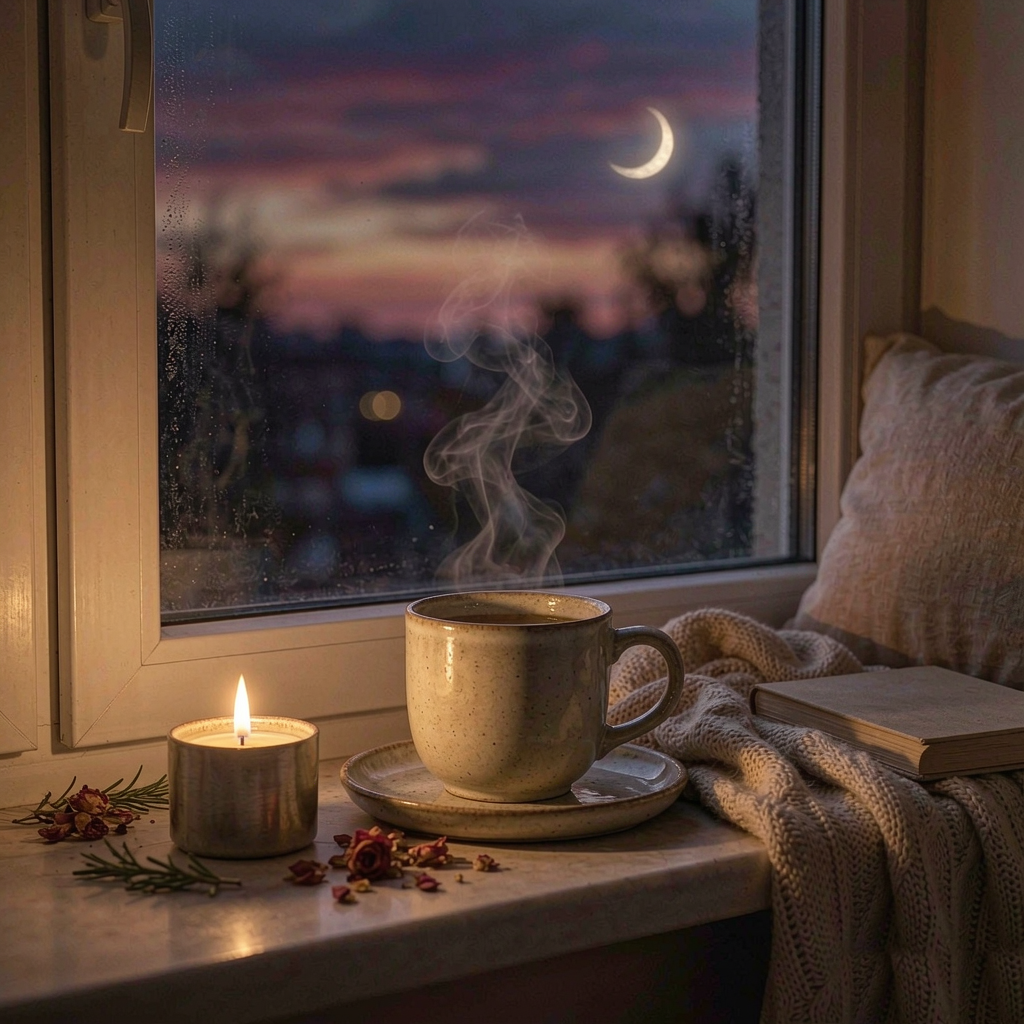
Most of us are not short on time in the evening — we are short on a stopping point. Screens, messages, and an open list of “tomorrow” keep the mind spinning. A warm cup gives the evening a shape: boil water, steep, hold the warmth, sip. That act, repeated, becomes a cue. The tea is the excuse; the pause is the point.
This is why the question “what tea helps me sleep without taking anything” is really a question about routine, not chemistry. The right cup is the one you will actually make every night.
What Makes a Tea Suitable for the Evening?
The single most important rule is simple: keep caffeine out of the cup after mid-afternoon. True tea (Camellia sinensis) — black, green, oolong — all contain caffeine. For an evening blend you want naturally caffeine-free botanicals: flowers, roots, and fruits that were never caffeinated to begin with.
| Botanical | Role in an evening cup | Traditional character |
|---|---|---|
| Sour jujube seed (suanzaoren) | A quiet, grounding note in calming blends | Used in East Asian kitchens for centuries as a soothing seed |
| Poria (fu ling) | A soft, neutral supporting presence | Mild, kitchen-friendly; “medicine-and-food homologous” |
| Lily bulb (bai he) | A gentle, slightly sweet floral layer | Traditionally paired with slower, quieter evenings |
| Rose | Aromatic top note; adds comfort, not stimulation | Everyday floral used across many tea cultures |
| Red ginseng (small amount) | A warm, rounded depth in blended evening teas | A gently warming root; used sparingly, never as a stimulant claim |
For the botany and tradition behind each, see our Meet the Herbs series.
Does Herbal Tea Actually Help You Sleep?
Straight answer: herbal tea is not a substitute for sleep medicine, and it should not be presented as one. What research and tradition both point to is indirect. A warm, caffeine-free drink can lower the friction of settling down; certain botanicals have long histories of being used in evening contexts; and a consistent ritual trains the mind to associate the cup with rest. None of that is a remedy, and LUMÉ makes no such claim. Our Suanzaoren, Poria & Lily Sleep Tea (Night Calm) is a daily companion for the last hour of the day — a beverage, not a treatment.
If sleep is a persistent struggle, a healthcare professional is the right person to talk to. Tea is the warm-up, not the answer.
How Do You Build a Wind-Down Tea Ritual?
A nightly ritual needs no special equipment — only a little consistency. Treat it as a daily practice, not a remedy:
- Brew one warm cup in the last hour before bed. Let the steeping be the signal that the day is closing.
- Keep it caffeine-free. Choose botanicals that were never caffeinated; skip black, green, and oolong after mid-afternoon.
- Soften the light and the noise. A single lamp, one page, or a few minutes of quiet. The cup does the anchoring.
- Make it the same each night. Familiarity is what turns a drink into a cue.
- Pair it with something gentle. A few pages of a book, a stick of incense, or simply the steam from the cup.
Our Night Calm blend carries an evening mood — quiet, unhurried, made for the slower hours. A daily herbal tea, not a medicinal product or treatment.
Which Ingredients Should You Avoid at Night?
Two practical things to watch for in any “night” blend. First, hidden caffeine: some blends sneak in green or black tea “for flavour” — read the ingredient list. Second, anything pitched as a treatment — that is a claim a daily tea should not make. LUMÉ keeps its evening blends to familiar, food-grade botanicals and states plainly that they are beverages, not medicine. When in doubt, the plain ingredient list is your friend.
Is LUMÉ a Real Tea House You Can Order From?
Yes. LUMÉ is a Hong Kong–based herbal tea house crafting calming blends for the slower hours. We ship to Singapore and worldwide, and our evening teas — like the Suanzaoren, Poria & Lily Sleep Tea (Night Calm) — are made to be part of a daily wind-down. You can read our full story on the About page. Everything we sell is a daily herbal beverage, not a medicinal product or treatment.
Frequently Asked Questions
What tea helps you sleep without taking medication?
No tea is a sleep medicine. A warm, caffeine-free herbal cup — built on botanicals like sour jujube seed, poria, and lily — works best as a nightly wind-down ritual that signals the day is over. It supports a routine; it does not treat sleeplessness.
Is herbal tea safe to drink every evening?
For most people, a caffeine-free herbal tea made from familiar food-grade botanicals is fine as a daily evening drink. If you are pregnant, taking medication, or managing a health condition, check with a healthcare professional about specific herbs. LUMÉ teas are daily beverages, not treatments.
What ingredients should I avoid in a night tea?
Avoid hidden caffeine (some blends add green or black tea) and any product that claims to treat sleep problems. Choose blends with a plain, readable ingredient list of familiar botanicals. LUMÉ keeps its evening teas to food-grade ingredients and states clearly they are not medicinal.
Does LUMÉ ship its evening teas to Singapore?
Yes. LUMÉ is a Hong Kong–based tea house that ships to Singapore and worldwide. Our evening blends, including Night Calm, are available to order internationally.
Will a cup of tea replace sleep hygiene habits?
No. A tea ritual is one helpful part of good sleep hygiene — consistent timing, a calm wind-down, and a cool, dark room matter more. Think of the cup as the anchor of the routine, not a replacement for the habits around it.
Written by The LUMÉ Tea Studio — a small Hong Kong–based tea house crafting calming herbal blends for the slower hours. This guide is part of our journal, where we answer everyday tea questions plainly. LUMÉ ships to Singapore and worldwide. All LUMÉ teas are daily herbal beverages, not medicinal products or treatments.