
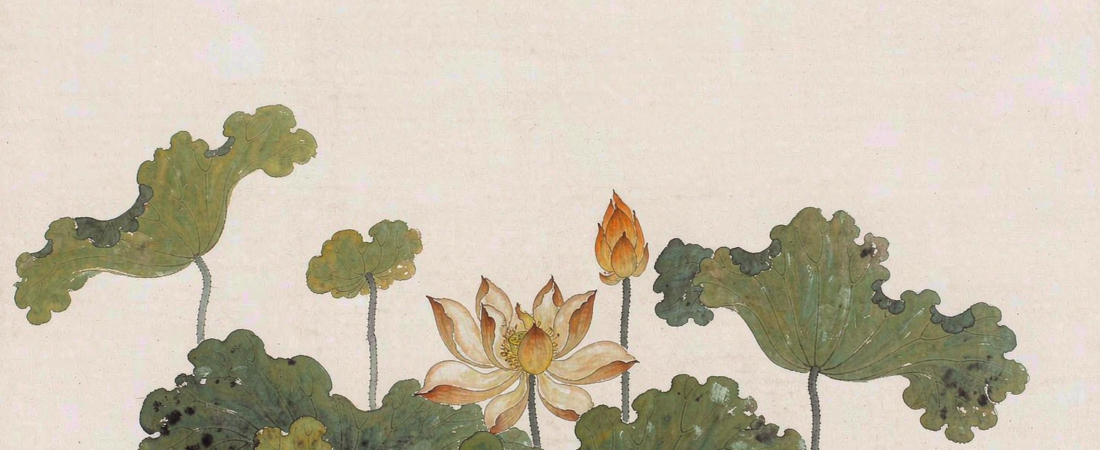
处暑。 The heat begins to fade; autumn starts to make itself felt.
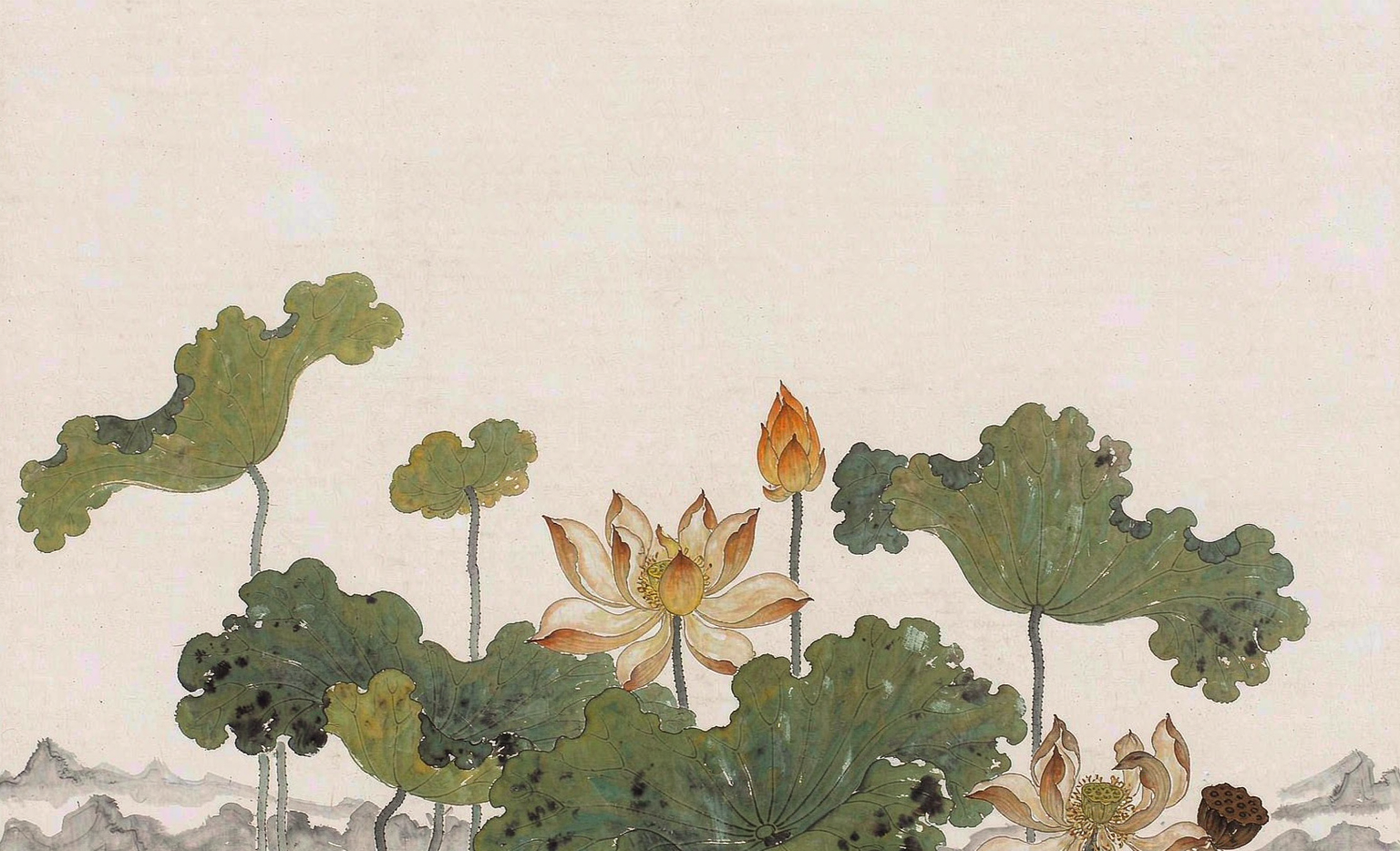
Chǔshǔ (处暑) is the 14th of China’s 24 solar terms and the second term of autumn. In 2026, it begins on August 23.
“Chǔ” means “to stop” or “to settle.” Chǔshǔ, then, marks the quiet turning point when the summer heat begins to recede. It is not a sudden cold snap, but rather a long, gentle exhale after a long, active season. The heat that accumulated all summer finally begins to loosen its grip.
Like the year taking a deep breath out — the warmth of summer gently gives way.
1. At a Glance
Ancient observers tracked Chǔshǔ through three subtle shifts in the natural world, each marking a quiet step into the new season:
- First sign: Hawks store their prey. Birds of prey sense the changing air. They begin to hunt with focus, gathering their catch as nature quietly prepares for the harvest season.
- Second sign: The air turns crisp. The expansive, humid energy of summer softens. The breeze carries a subtle shift — moving away from rapid growth toward a gentle drawing inward.
- Third sign: The grains reach full harvest. Rice, millet, and sorghum reach their peak. The season’s quiet work is brought into storehouses — hard work turning into something tangible and golden.
Three quiet signals from nature: hawks gather their catch · the breeze takes on an autumn crispness · the golden fields reach full harvest.
2. Where It Comes From
Chǔshǔ stems from centuries of astronomical observation. When the sun reaches 150° celestial longitude, the traditional calendar marks this precise waypoint as Chǔshǔ. In an era when daily life moved in harmony with the sky, people divided the solar year into 24 reference points to track temperature shifts, planting schedules, and harvests. Chǔshǔ is the point that quietly notes: the heat is ending.
It does not promise an immediate chill. Instead, it marks a gentle transition: from this moment on, the warm days begin to recede.
Think of the 24 solar terms as 24 waypoints on a nature calendar — Chǔshǔ is where summer signs off.
3. The Story & Its Meaning
处暑无三日,新凉直万金。
Just three days into End of Heat, and the first touch of cool air feels worth its weight in gold.
— Su Jiong, Two Poems on the Yangtze
This line captures a feeling familiar to anyone who has lived through a hot summer: that first genuine breath of cool air feels priceless. After weeks of lingering heat, you can feel the seasonal turn long before you see it.
The character “chǔ” (处) carries a deeper philosophical nuance: the wisdom of knowing when to pause. In traditional seasonal living, stopping is not an absence — it is the art of turning inward after a season of outward motion. Summer is for expanding and doing; Chǔshǔ invites us to gather ourselves back in.
It is like closing your laptop at the end of a full day and reclaiming a quiet hour for yourself. Sometimes, simply pausing is the gentlest form of self-care.
4. The Energy of the Season
At the doorway of autumn, nature shifts its movement from outer expansion to inner reflection. Traditional seasonal living invites us to mirror this subtle change in our daily lives: stepping away from a hurried, outward pace and adopting something quieter and more intentional.
This is not a strict rule for how to live, but a gentle invitation to match your pace to the world outside — a little less output, a little more space to breathe. Living in sync with the seasons is an easy, grounded way to move through the year.
A subtle shift from outward activity to inner calm — an invitation, not a rule.
5. How to Live With It
No dramatic life changes are required. A few simple, seasonal shifts are often enough:
- Align your rhythm with the light. Let late nights gradually shift into earlier, restful evenings. Greet the morning with natural daylight whenever possible.
- Cool down your palate, welcome a touch of tartness. As autumn arrives, fruits like pomegranates, grapes, and pomelos naturally come into season. Enjoy what nature offers with ease and simplicity.
- Savor the slower pace. Before rushing into full winter preparation, allow yourself time to settle into this transition. Take a walk at dusk. Step away from screens for twenty minutes. Watch the twilight sky fade.

6. Your Lume Moment
The quiet evenings bridging summer and autumn offer a natural moment to practice the art of pausing.
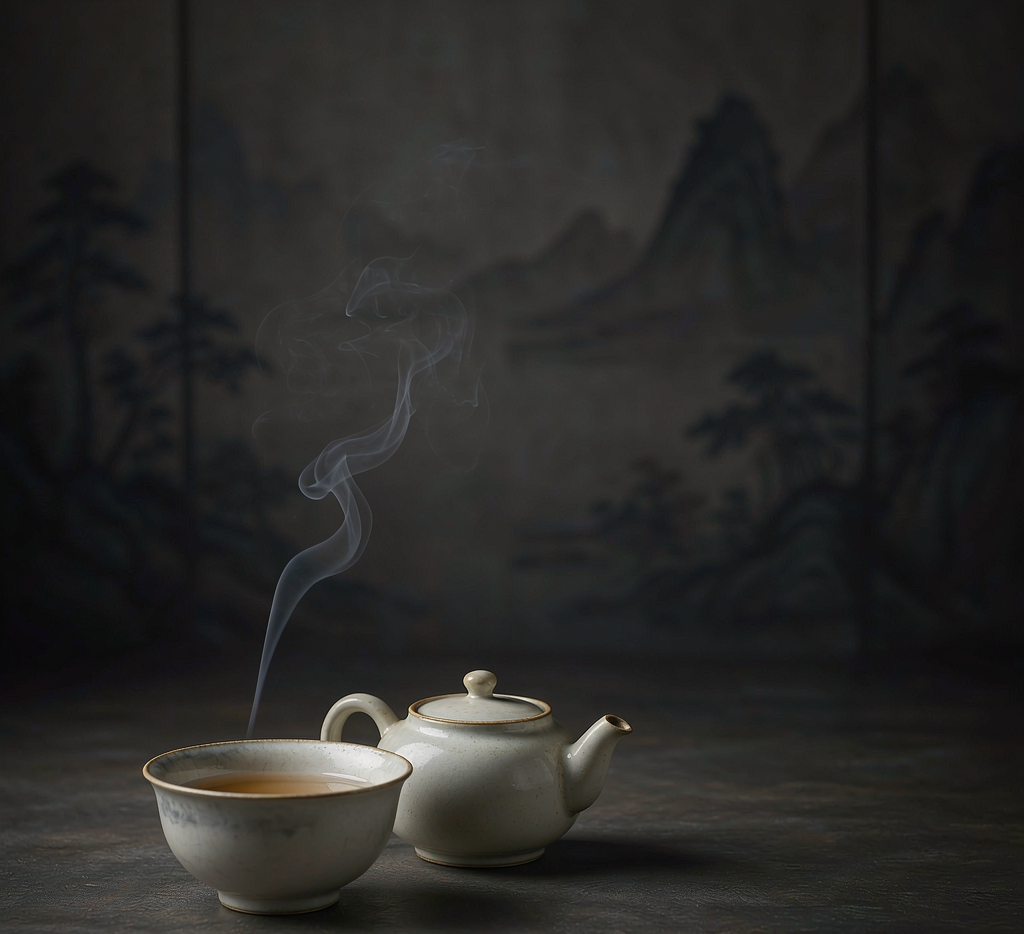
Brew a warm cup of herbal tea — not as anything more than what it is, but as a small, grounding ritual reserved just for you. It signals the end of the day’s demands and invites a calmer atmosphere. Our Poria & Sour Jujube Seed Tea carries exactly this mood: soft, unhurried, made for the hour when the evening settles.
Light a single stick of incense, allowing the soft wisp of scent and warm tea to frame a moment of absolute still. (Our fragrance collection is launching soon; in the meantime, explore our incense collection.)
One cup of tea. One thread of scent. One quiet evening.
This is the subtle reminder of Chǔshǔ: the summer heat will pass, and it is entirely okay to pause.
Frequently Asked Questions
When is Chǔshǔ in 2026? Chǔshǔ begins on 23 August 2026. It is the 14th of China’s 24 solar terms and the second term of autumn.
What does Chǔshǔ mean in English? “Chǔ” means to stop or to settle. Chǔshǔ marks the quiet turning point when summer heat begins to recede — a long, gentle exhale rather than a sudden cold snap.
What are the three signs of Chǔshǔ? Ancient observers read three shifts: hawks gather their prey; the air turns crisp; and the grains — rice, millet, sorghum — reach full harvest.
How should I drink tea during Chǔshǔ? Build a simple wind-down ritual: one warm cup in the last hour of the day, softer light, and let it signal the day is ending. A daily routine, not a treatment.
| Item | Detail |
|---|---|
| Chǔshǔ 2026 | Begins 23 August 2026 |
| Position | 14th of 24 solar terms; 2nd of autumn |
| Three signs | Hawks gather · air turns crisp · grains reach harvest |